
“One of the functions of art is to remind the individual of the uniqueness of each moment.”
Category Archives: theater
INSPECTOR LEE of the NOVA POLICE
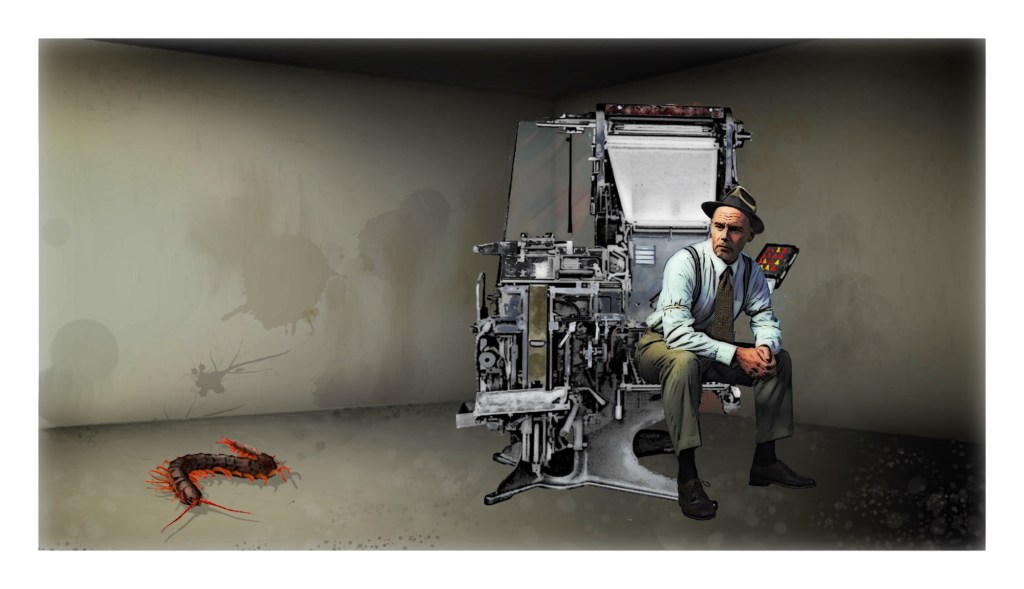
I’m currently attempting to create a new theater piece inspired by the writings of William S. Burroughs — particularly, The Nova Trilogy (or Cut-Up Trilogy ), as writer/adapter, and (eventually, hopefully) director/ designer, as well. It’s early enough in the process, however, that I’m not certain I’ll find the necessary hook to transform this massive, seemingly un-adaptable work of prose into a performance text.
Because early visualization is a crucial element for me when developing a new production, I always end up with a an enormous library of images that relate to the piece in some (often inscrutable) way. Some of the images are scavenged from the web, some from books, and some I create myself. Thus, the image above: a collage depicting Inspector J. Lee, an agent of the Nova Police, sitting in his time/space vehicle, and considering the giant centipede that returned with him from a trip back to the long-gone Mayan Empire.
(Lee’s vehicle is actually just a Linotype machine, which I thought had an unfamiliar, unwieldy, contraption-like shape that would make a perfect mode of transport for the Nova Police.)
set design for a possible production
Years and years ago, I directed and designed a production of Samuel’s Major Problems, perhaps my favorite script by Richard Foreman, and I’ve been thinking of staging it again. My preparation always includes hours of work designing and re-designing the set (and often the sound and props as well!) for a period of a year or more.
From my recent notes on the play:
Late at night, a dimly lit room. In the distance, sounds of a party can be faintly heard.
The decor is generally dark and somber: blacks, deep reds, maroons, grays, and browns. This is tempered, however, by gold accents, black and white checked lines, stripes of different colors, etc. A number of chandeliers are suspended above the stage, as are a number of incomplete words and phrases, some of which face the audience, while others hang backwards. Black and white dotted lines of string traverse the stage at different heights and angles.
Additionally, streamers and a few bunches of partially-deflated balloons hang down, along with other cheerfully incongruous decorations, as if someone decided to hold a birthday party inside of a funeral parlor.
The many shelves and cabinets that line the walls are filled with books, candles, skulls, papers, boxes and various strange objects.
There are several large Persian rugs, and a couple of overturned chairs on the floor, which is covered with loose papers and confetti. At each of the four corners of the central rug is a black and white striped pole, 7-feet tall, topped with a practical light bulb, securely fastened to the floor.
The walls are decorated with many framed paintings and photographs—antique portraits, mythical figures and human skulls. Mystical letters, symbols and esoteric diagrams can be made out in the shadowy corners of the stage. There are also a small number of gift-wrapped boxes, varying in size, scattered around the room. In the upstage center wall, there is a secret door, painted to look like the rest of the walls.
There is a very long wheeled table, covered by a tablecloth that hangs almost to the floor, upon which old books and papers are haphazardly stacked or strewn. A pair of wooden chairs are placed near the table. Upstage-right is a second, smaller room that adjoins the main playing area. The decor bears a resemblance to that of the main room, but features a number of easily noticed differences. There is a cloth-draped table against the upstage wall, and on the table rests a coffin with a caster on its foot-end.
At the downstage edge of the playing area, a row of 4-foot tall posts rise from the floor, each topped with a small golden ball, and all connected with swags of black funeral crepe, which serves to separate the stage from the audience.
He doesn’t know if he hesitates or if this is where he wants to be, so moving forward is unnatural and he doesn’t even try.
Richard Foreman, The Mind King
truth in advertising
At the beginning of 2023, I was directing Richard Foreman‘s Eddie Goes to Poetry City for The Catastrophic Theatre, and whenever someone asked me what the play was about, I’d just say:
conception vs. realization
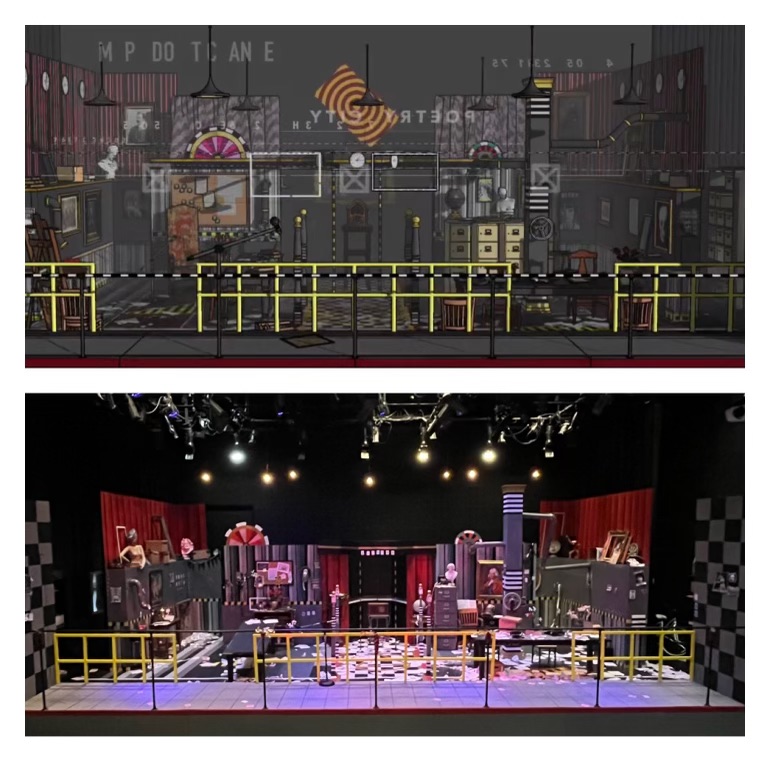
This composite (showing a photo of my initial scenic design alongside a photo of the actual set) was sent to me by one of the actors in Richard Foreman’s Eddie Goes to Poetry City, a show I recently directed and designed for The Catastrophic Theatre.
the task of the work of art…
… is above all else to juggle all the troublesome facts of life, to keep the balls of possibility in the air, to learn how to live and dance, lucid and energized, even in a world as depressing and violent as ours.
— Richard Foreman
“my name is eddie and i plan to escape to poetry city.”
In 12 days, I’ll begin rehearsing my next show, Richard Foreman‘s Eddie Goes to Poetry City for The Catastrophic Theatre. I’m directing and designing this script for the second time, nearly 30 years after my first attempt.
the very thing you really are
“We rarely allow ourselves the psychic detachment from habit that would allow us to perceive the impulse as it rises inside us, unconnected to the objects we desire. But it’s impulse that’s primary, not the object we’ve been trained to fix it upon. It is the impulse that is your deep truth, not the object that seems to call it forth. The impulse is the vibrating, lively thing that you really are. And that is what I want to return to: the very thing you really are.”
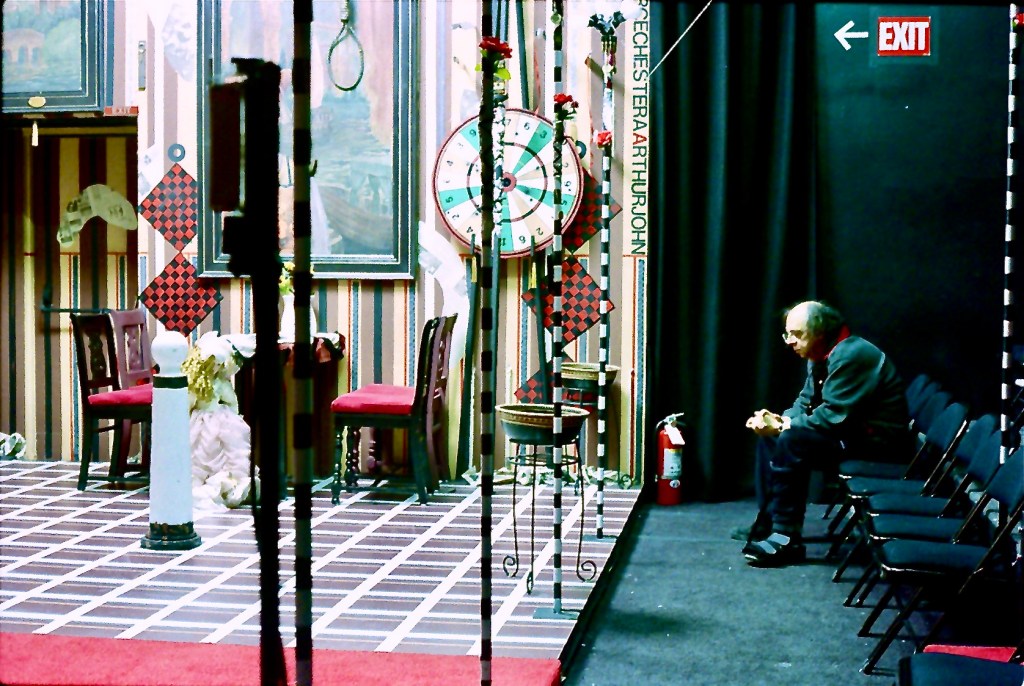
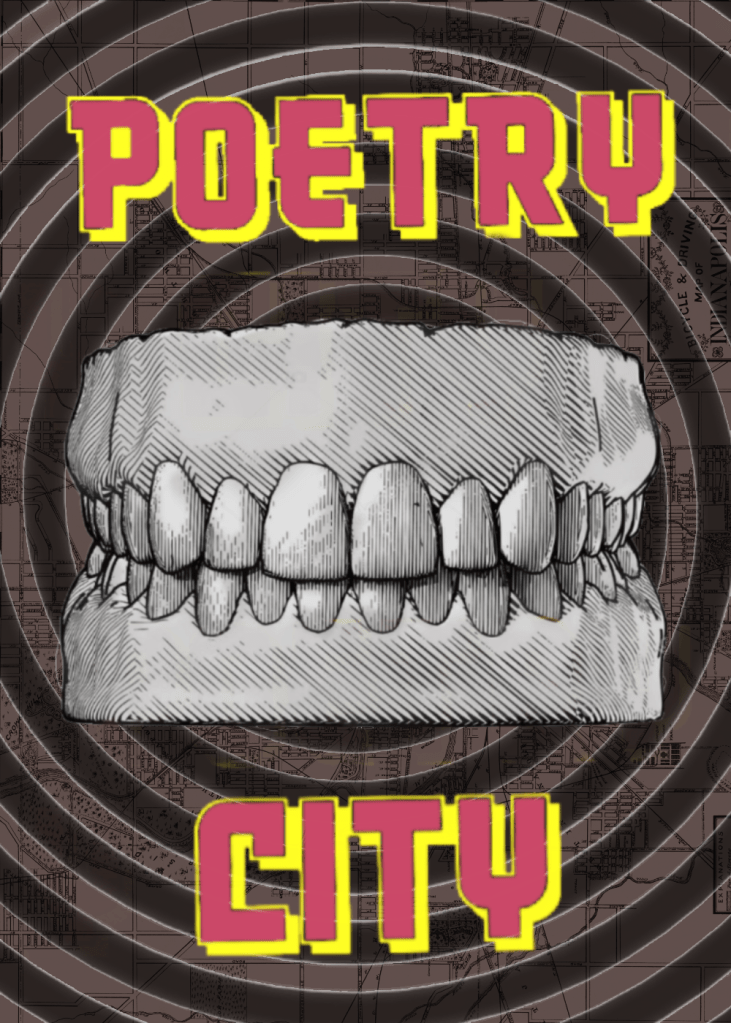
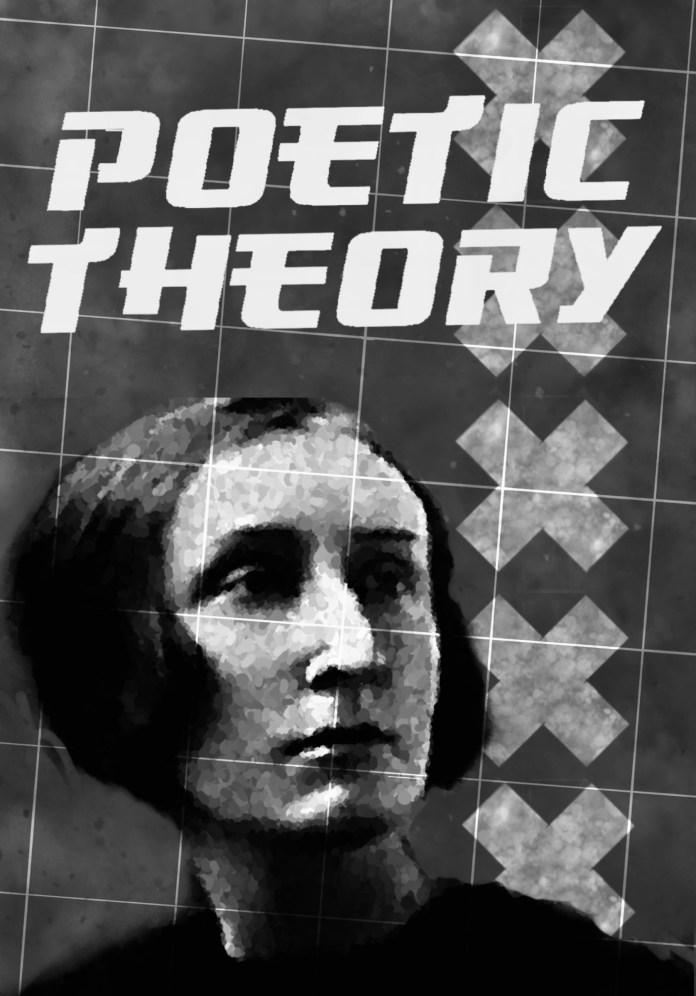
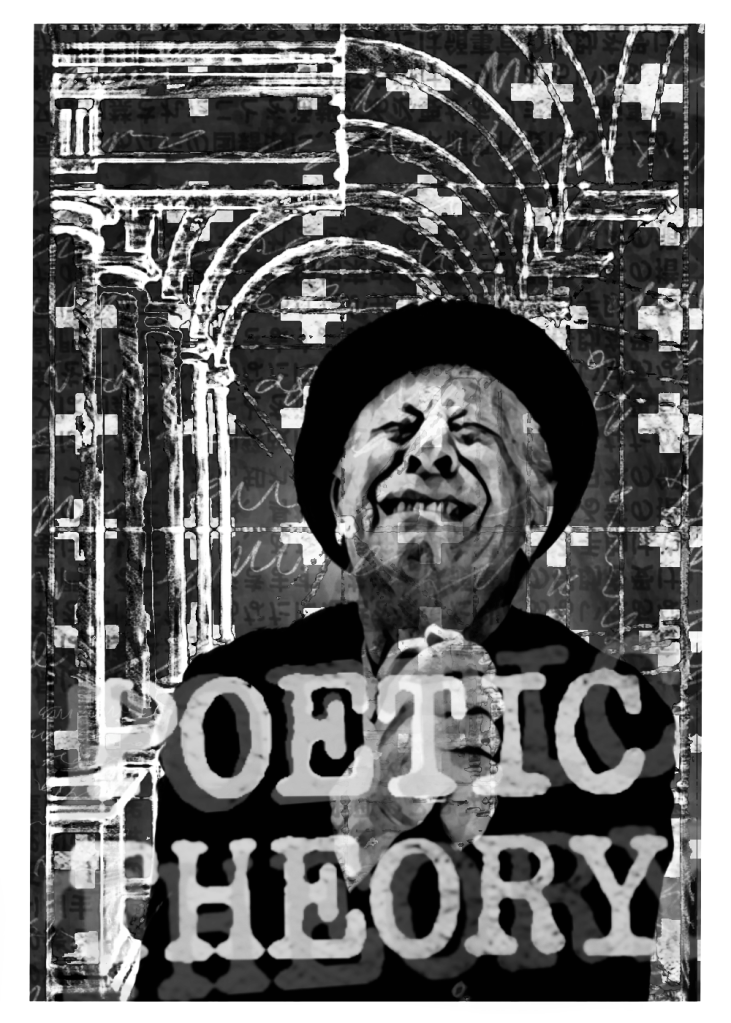
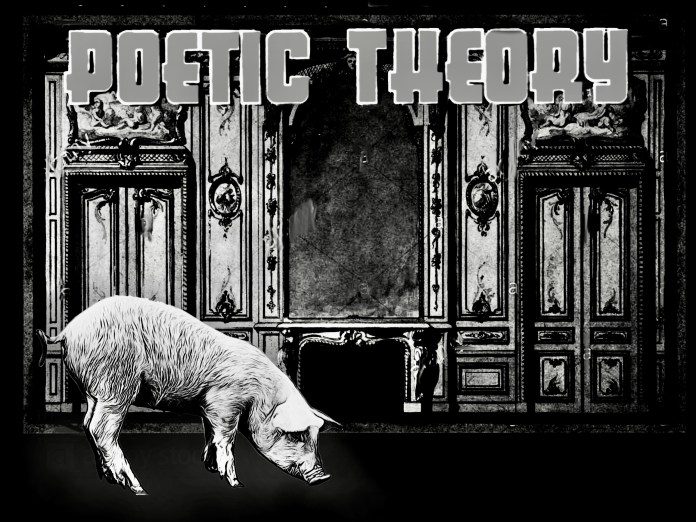
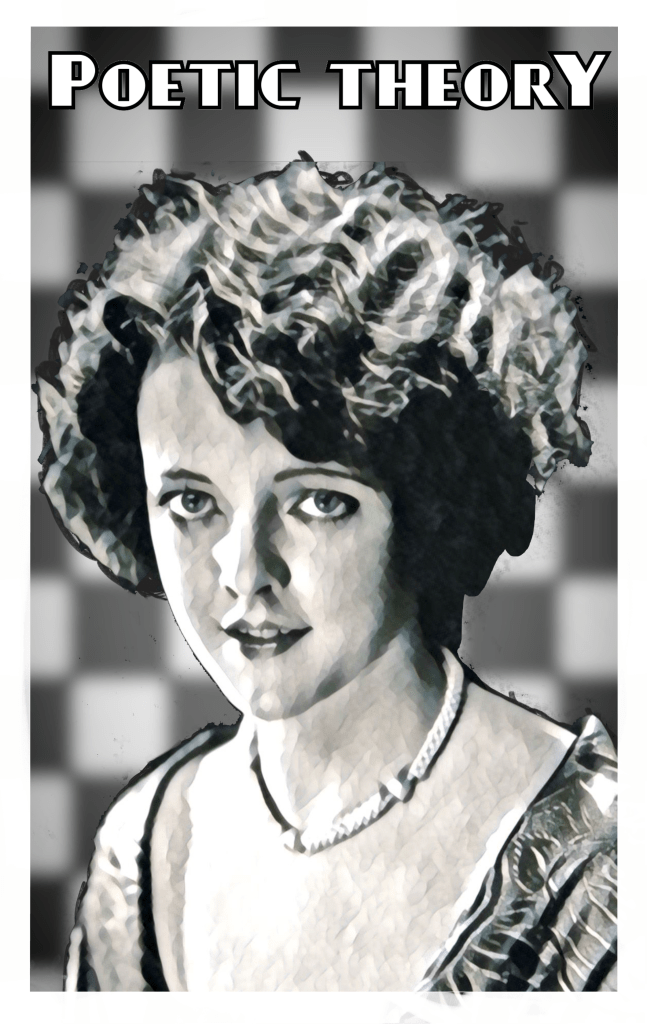
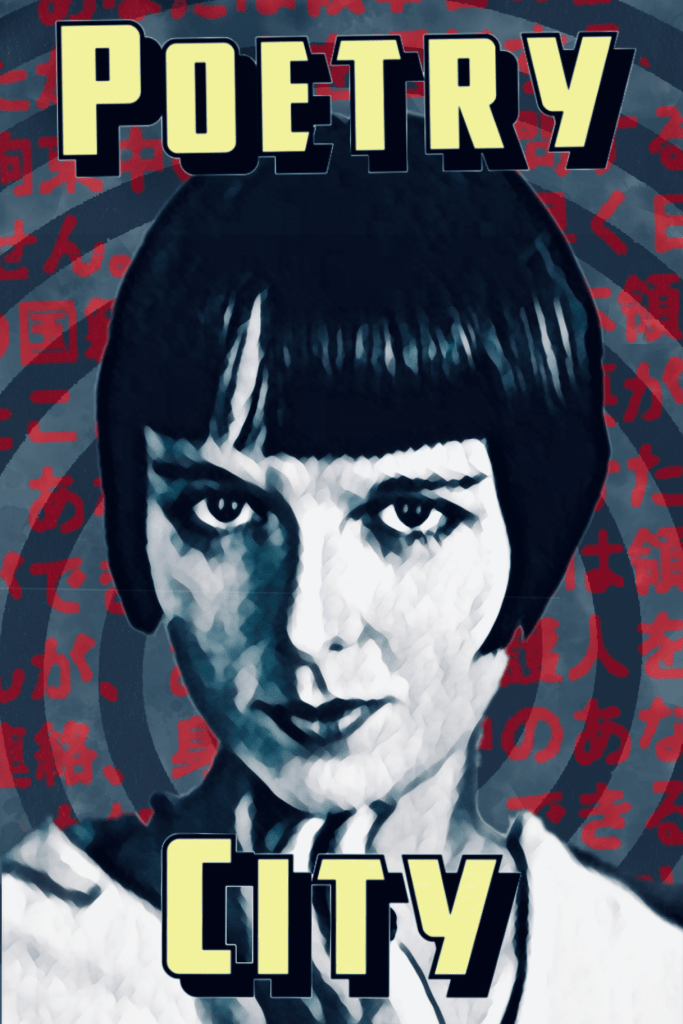
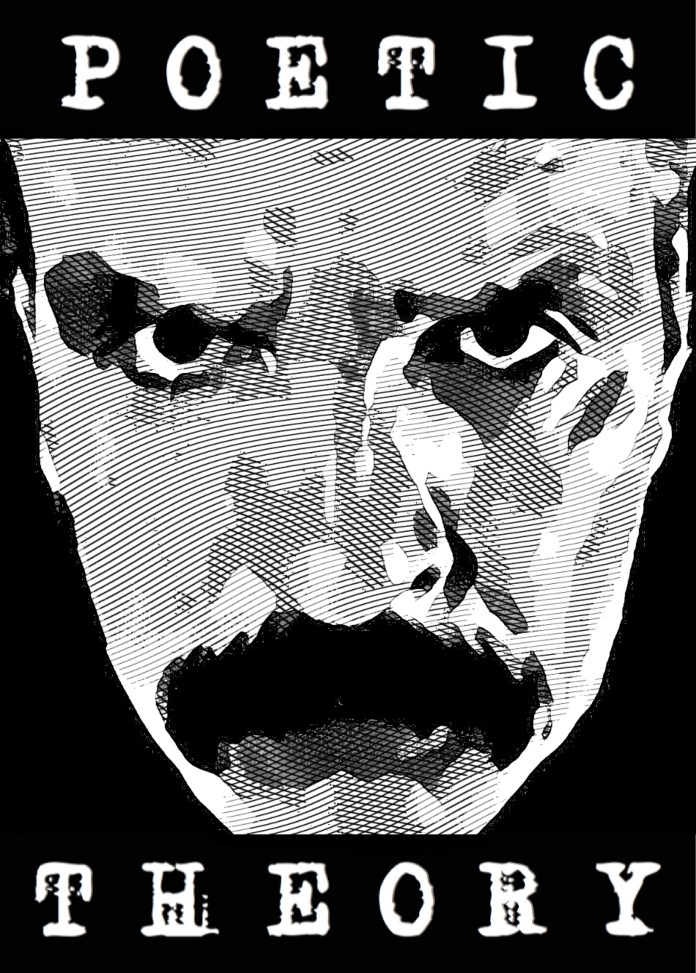
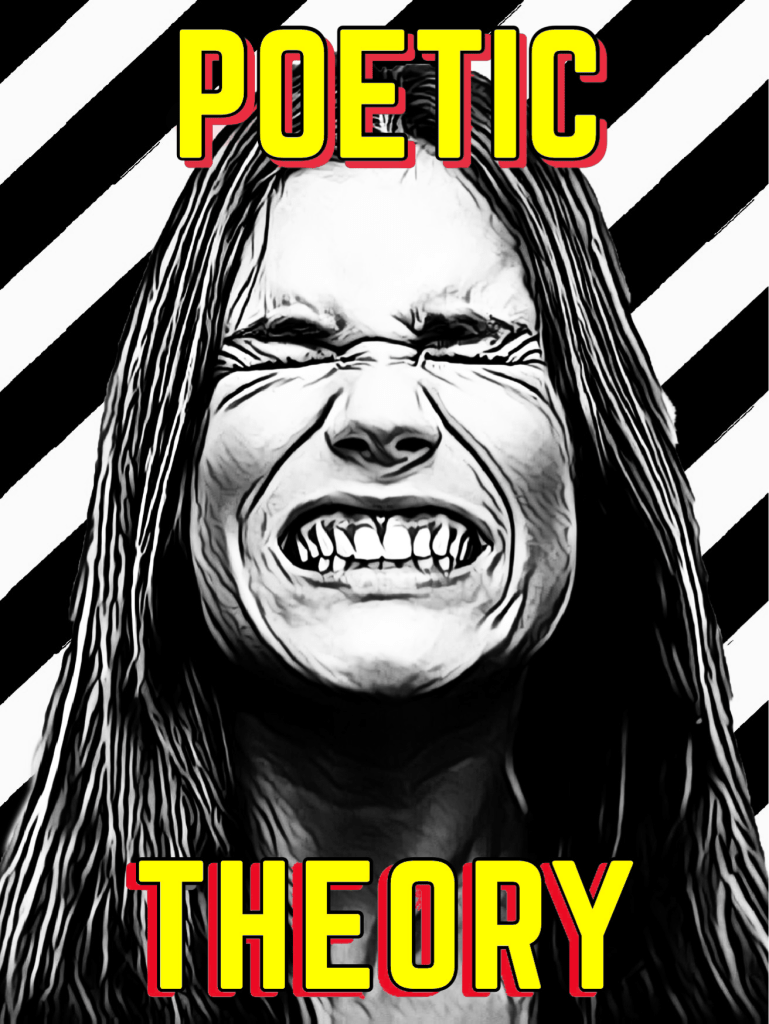
I made these posters for The Catastrophic Theatre‘s production of Richard Foreman‘s Eddie Goes to Poetry City , which I directed and designed in 2023. They were small details adding to the visual overload of the set, but I’m fond of them, and wanted them to have a life outside the fading memory of as theater audience.

 wolveroon